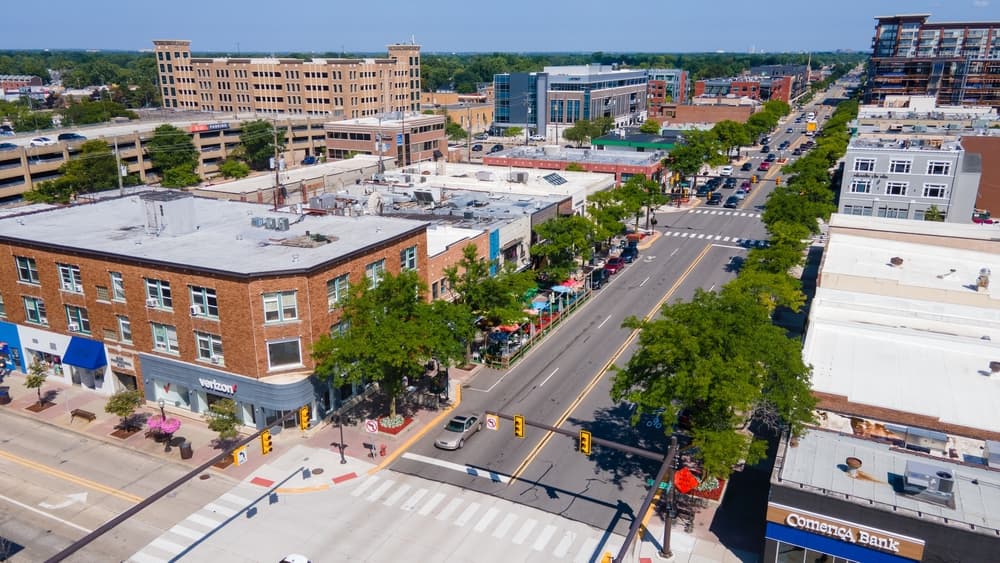
If a drunk driver injures you in Royal Oak or nearby areas, you’re probably feeling overwhelmed and unsure of what to do next. At Oak Law, we’ve seen firsthand the devastating impact these senseless accidents have on victims and their families. It’s a big problem here in Michigan: Detroit ranks as the second worst out of America’s 50 biggest cities for deadly drunk driving crashes.
You don’t have to face this challenge alone. Our legal team is ready to stand with you, fight for your rights, and work tirelessly to get you the compensation you deserve. Call our offices today at (248) 716-8800 for a free consultation about how we can help you secure the money you need to put your life back in order.
Defining Drunk Driving (OWI) Under Michigan Law
OWI stands for “operating while intoxicated,” and it’s the official way Michigan law refers to drunk driving. The details are spelled out in MCL 257.625, but here’s what you need to know: If a driver has a blood alcohol content (BAC) of 0.08% or more, they’re considered legally impaired and can be charged with OWI. But even if their BAC is below that number, a driver can still face OWI charges if alcohol has impacted their ability to operate a vehicle safely.
There are differences between criminal charges for OWI and a civil lawsuit like the one you may be considering. In a criminal OWI case, the state is in charge, and the goal is to punish the drunk driver with things like fines, license suspension, and even jail.
On the other hand, a civil lawsuit is something that you, the injured party, pursue against the drunk driver. It’s your chance to seek monetary compensation for all the ways the accident has impacted your life, from medical bills and lost wages to pain and suffering. Our team at Oak Law can handle the legal heavy lifting in your civil case so you can focus on healing and recovering.
Potential Defendants in Drunk Driving Accident Cases
When you’re considering a lawsuit after a drunk driving accident, it’s important to know who might be held responsible. Depending on the circumstances of your accident and what led up to it, any of these parties could be liable:
The Drunk Driver
The intoxicated driver who caused the crash is going to be a key defendant in your case. They made the reckless decision to get behind the wheel while impaired, putting you and everyone else on the road at risk.
The Vehicle Owner
But what if the drunk driver wasn’t the owner of the vehicle? In Michigan, the owner of the car involved in a drunk driving accident can also be on the hook, even if they weren’t the one driving. MCL 257.401, known as the owner’s liability statute, dictates that if someone allows their vehicle to be driven by an intoxicated person, the owner can be named in a lawsuit, too.
Bars and Restaurants
In some cases, the place that sold or served alcohol to the drunk driver might also be partly responsible under Michigan’s “dram shop” law, MCL 436.1801. If a bar or restaurant sold alcohol to someone who was already visibly intoxicated or under 21, and that person subsequently caused an accident, the establishment could be liable for the injured party’s losses. These parties can only be held liable if it can be proved that the business knew or should’ve known the person was drunk or underage when they sold them alcohol.
Investigating a Drunk Driving Accident for a Lawsuit
After you’ve been injured by a drunk driver in a crash, in order to pursue the compensation you deserve, you have to be able to prove that the other driver was at fault. If you’re already injured, that can seem like an insurmountable task. Here’s what we do at Oak Law to investigate and obtain the evidence we need in your case:
Police Reports and BAC Results
One of the first things we’ll do is obtain the police report about your accident. This document can provide crucial details about what happened, who was involved, and any evidence of drunk driving. We’ll also look for BAC (blood alcohol content) test results or other signs that the driver was intoxicated.
Witness Interviews
We know how to track down witnesses and interview them about what they observed. Did they see the driver swerving or driving recklessly? Did they notice signs that the driver was drunk, like slurred speech or stumbling?
Medical Records and Bills
To show the full impact of the accident on your life, we’ll gather all your medical records and bills related to the crash. This can help prove the extent of your injuries and the costs you’ve incurred for treatment.
Dram Shop Investigation
If a bar or restaurant is partly responsible for the accident under Michigan’s dram shop law, we’ll investigate that, too. We’ll look for receipts, security camera footage, and witnesses who can testify that the driver was visibly intoxicated when they were served alcohol. This can be tricky, so it’s important to have a legal team that knows what to look for.
Filing the Lawsuit
Once we’ve gathered all the evidence, we’ll put together a strong complaint and file a claim against that at-fault party’s insurance company or a lawsuit against the party. From there, we’ll handle the complex legal process so you can concentrate on your recovery.
Statute of Limitations
When you’re dealing with the aftermath of a drunk driving accident, taking legal action might not be the first thing on your mind. But it’s crucial to be aware of the statute of limitations, which is the law that dictates the deadline for filing a lawsuit. In Michigan, you generally have three years from the date of the accident to file a lawsuit against the at-fault party.
However, the timeline is even tighter if you’re looking to pursue a dram shop case against a bar or restaurant that overserved the drunk driver. Michigan’s dram shop law allows only two years to file a lawsuit against the establishment.
Missing these deadlines means losing your right to seek compensation in court, no matter how strong your case is. The sooner you reach out to our team, the better. We can make sure no important deadlines are missed.
Common Injuries in Drunk Driving Accidents
According to the National Highway Traffic Safety Administration (NHTSA), drunk driving accidents result in an average of 37 deaths every day in the United States, which equates to one preventable death every 39 minutes. While not every crash results in death, the impacts of any drunk driving accident can be life-altering, causing a wide range of serious injuries. Some of the most common injuries from drunk driving crashes include:
- Traumatic brain injuries (TBI)
- Spinal cord injuries and paralysis
- Broken bones and fractures
- Severe lacerations
- Internal organ damage
- Soft tissue injuries
- Emotional trauma
If you or a loved one has suffered any of these injuries due to the reckless actions of a drunk driver, call us. Our compassionate legal team is here to listen to your story, explain your options, and fight tirelessly to secure the compensation you need to heal and rebuild your life.
Challenges in Drunk Driving Accident Cases
Pursuing a drunk driving accident lawsuit can present serious obstacles, but a skilled attorney can overcome these challenges and build a strong case that shows you deserve compensation.
Proving Fault and Intoxication
If the at-fault driver refuses a breathalyzer or blood test or if BAC results are unavailable, proving fault and intoxication can be more difficult. In these situations, your legal team can gather additional evidence, such as witness statements, police reports, and video footage that may show signs of impairment, to support your claim.
Countering Comparative Negligence Arguments
The drunk driver’s insurance company may attempt to reduce the compensation you receive by arguing that you were partially at fault for the accident. Your attorney will work to foil these arguments and protect your right to full compensation.
Preserving Dram Shop Evidence
If your case involves a dram shop claim against a bar or restaurant, acting quickly to preserve evidence is essential. Businesses may have surveillance footage or receipts that can help prove they overserved the drunk driver, but this evidence can be lost or destroyed if not obtained promptly. Your attorney will know how to take swift action to secure this crucial evidence.
Meeting the Serious Impairment Threshold
Michigan’s no-fault auto insurance laws require you to demonstrate that your injuries meet the “serious impairment of body function” threshold to sue the at-fault driver for intangible losses like pain and suffering. Your attorney will gather medical evidence and build a compelling case to meet this requirement.
Contact Our Royal Oak Drunk Driving Accident Attorneys Today
Drunk driving accidents can turn your world upside down instantly, leaving you with physical, emotional, and financial wounds that may take years to heal. At Oak Law, we’re committed to holding drunk drivers accountable for their actions. Trust us to guide you through the legal process, advocate for your rights, and pursue the maximum compensation you deserve. Your journey to justice starts with a simple step – reach out to our team today at (248) 716-8800 for a free case review, and let us help you build a brighter future.